Zinc Dust Powder Composition, Benefits, and Key Functions
Industrial materials continue to evolve as manufacturing and protective technologies become more advanced. One material that consistently supports many sectors is zinc dust powder. Fine metallic particles provide essential support in corrosion resistance, chemical processing, and coating production. Strong performance and adaptability allow industries to rely on this material for both durability and efficiency.
Composition of Zinc Dust Powder
Understanding the internal structure of zinc dust powder helps explain why the material performs well in demanding industrial conditions. Composition plays a significant role in determining durability, reactivity, and compatibility with various industrial systems. Properly produced zinc dust ensures consistent results across coating, metallurgical, and chemical applications.
Purity Levels and Chemical Structure
Purity remains a critical factor influencing performance quality. High-grade zinc dust powder typically contains a large percentage of elemental zinc combined with minimal trace contaminants. Clean chemical composition improves conductivity and strengthens anti-corrosion properties. Stable molecular arrangement supports electrochemical protection when used in coating systems. Balanced structural composition also allows smooth integration into industrial formulations while maintaining strong resistance against oxidation and environmental exposure.
Particle Size Distribution and Physical Characteristics
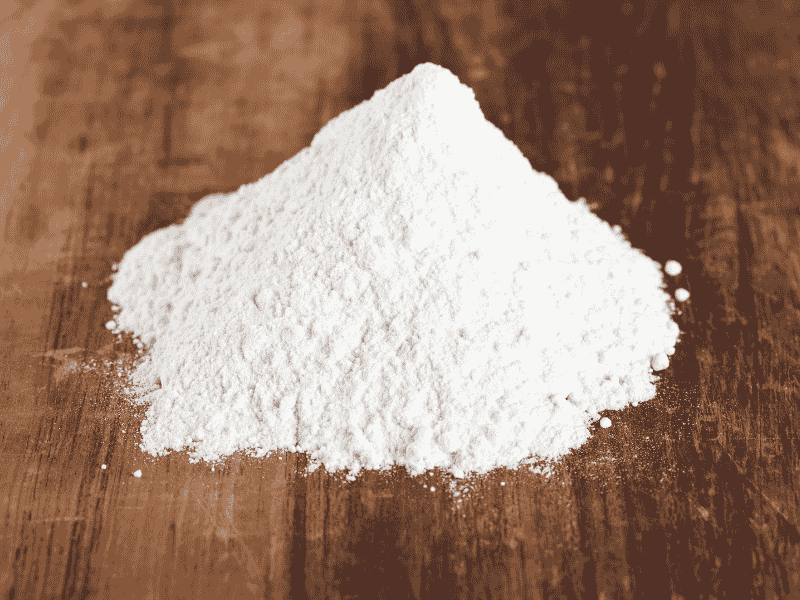
Particle shape and distribution directly influence functionality in industrial processes. Fine and uniform particle sizing allows better surface coverage and improved adhesion when applied in protective coatings. Smooth metallic texture enhances blending capability within chemical mixtures and industrial paints. Controlled granulation helps maintain stable dispersion during application. Proper particle structure ensures efficient protective layers and contributes to longer service life for treated materials across multiple environmental conditions.
Manufacturing Process and Quality Standards
Production methods significantly affect consistency and reliability. Controlled atomization or distillation techniques allow manufacturers to produce uniform particles with predictable behavior. Advanced filtration and purification stages remove impurities and maintain a stable composition throughout the production cycle.
Reliable processing methods improve product safety and support compliance with industrial quality regulations. Consistent manufacturing ensures zinc dust maintains dependable performance in coating protection and chemical reactions across different industrial environments.
Industrial demand continues to grow as infrastructure and manufacturing sectors require dependable protective materials. Strong resistance to corrosion helps extend equipment lifespan and reduces maintenance frequency.
Chemical stability also supports its use in metallurgical reactions and battery production. Flexible functionality allows zinc dust to serve multiple industries, including marine protection, construction, and energy development.
Growing environmental awareness encourages the use of materials that improve durability while supporting efficient production cycles. Reliable performance and broad compatibility confirm that zinc dust powder remains a trusted solution for long-term industrial protection and operational efficiency.