Eco-Friendly Green Building Solution
The concept of green building solution encompasses many aspects, from efficient building design and the use of environmentally friendly materials to sustainable waste management systems. Furthermore, international standards such as Leadership in Energy and Environmental Design (LEED) and Greenship (certification from the Green Building Council Indonesia – GBCI) serve as benchmarks for implementing green building standards in Indonesia.
What is a Green Building Solution?
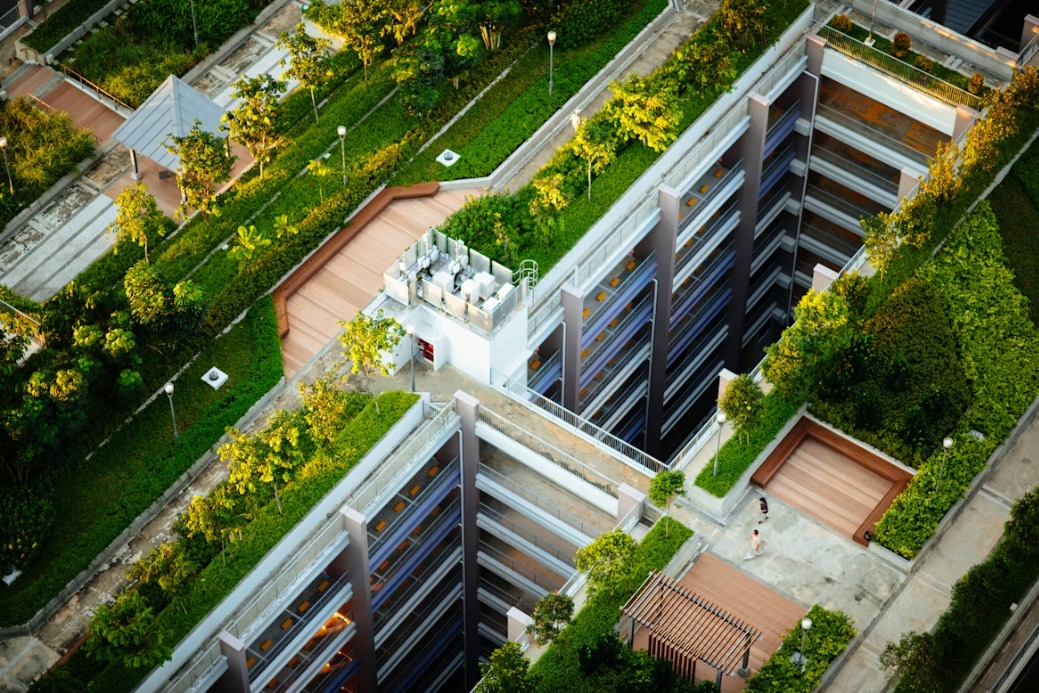
Green building is an architectural concept that prioritizes energy efficiency, wise resource management, and minimal impact on the natural environment. This type of development is oriented towards reducing carbon emissions and utilizing renewable energy.
Benefits of Eco-Friendly Buildings
Furthermore, the implementation of eco-friendly buildings can also provide various benefits for both the environment and the economy, including the following:
- Reducing Carbon Emissions
By using energy-efficient materials and technology, green buildings can also help reduce carbon emissions, a major contributor to climate change.
- Energy and Water Efficiency
Furthermore, green buildings also utilize renewable energy such as rooftop solar power plants, natural lighting systems, and rainwater treatment. The goal is to reduce dependence on fossil fuels and provide clean water.
- Improving Occupant Health
Furthermore, green building solutions prioritize non-toxic materials. Therefore, good air circulation systems can create a much healthier environment for occupants.
- Saving Operational Costs
Energy-efficient technologies such as the use of LED lighting and efficient air conditioning systems can reduce electricity consumption, thereby reducing operational costs in the long term.
- Supporting Government Policies on Climate Change
Indonesia has targeted net-zero emissions by 2060, and the implementation of green buildings is also a key strategy in reducing the national carbon footprint.
Materials for Green Buildings
Furthermore, material selection is also an important factor in implementing environmentally friendly construction. Below are some recommended materials.
- Bamboo is a natural material that can be rapidly renewed and has high strength.
- Eco-friendly bricks are made from clay and processed using low-emission technology.
- Recycled concrete can use aggregates from used concrete to reduce the need for new materials.
- FSC-certified wood comes from forests managed responsibly and sustainably. This certification is also awarded by the Forest Stewardship Council (FS), an international non-profit organization.
- Low-E glass can help reduce incoming heat radiation, thereby saving energy for air conditioning.
Sarana Hijau Lestari
Sarana Hijau Lestari supports environmentally friendly buildings through the installation of rooftop solar power plants. The advantage is that the system design can be tailored to the building’s needs. This service uses the latest and most efficient technology. Furthermore, it can help users meet LEED and Greenship building standards. Finally, it can reduce fossil-based electricity consumption and increase the value of green building solution.
